


Dear Friends,
Last Sunday Pope Leo preached at Mass at the summer residence. I think his message was very good and so I am sharing it (an edited version) with you. You might recall that the gospel was the parable of the Good Samaritan which Jesus told in answer to the question, “Who is my neighbor?”
That parable constantly challenges us to think about our own lives. It troubles our dormant or distracted consciences and warns us about the risk of a complacent faith that is satisfied with the outward observance of the law but incapable of feeling and acting with the same merciful compassion as God…
Dear brothers and sisters, how we look at others is what counts, because it shows what is in our hearts. We can look and walk by, or we can look and be moved with compassion. There is a kind of seeing that is superficial, distracted and hasty, a way of seeing while pretending not to see. We can see without being touched or challenged by the sight. Then too, there is seeing with the eyes of the heart, looking more closely, empathizing with the other, sharing his or her experience, letting ourselves be touched and challenged. This way of seeing calls into question the way we live our life and the responsibility we feel towards others.
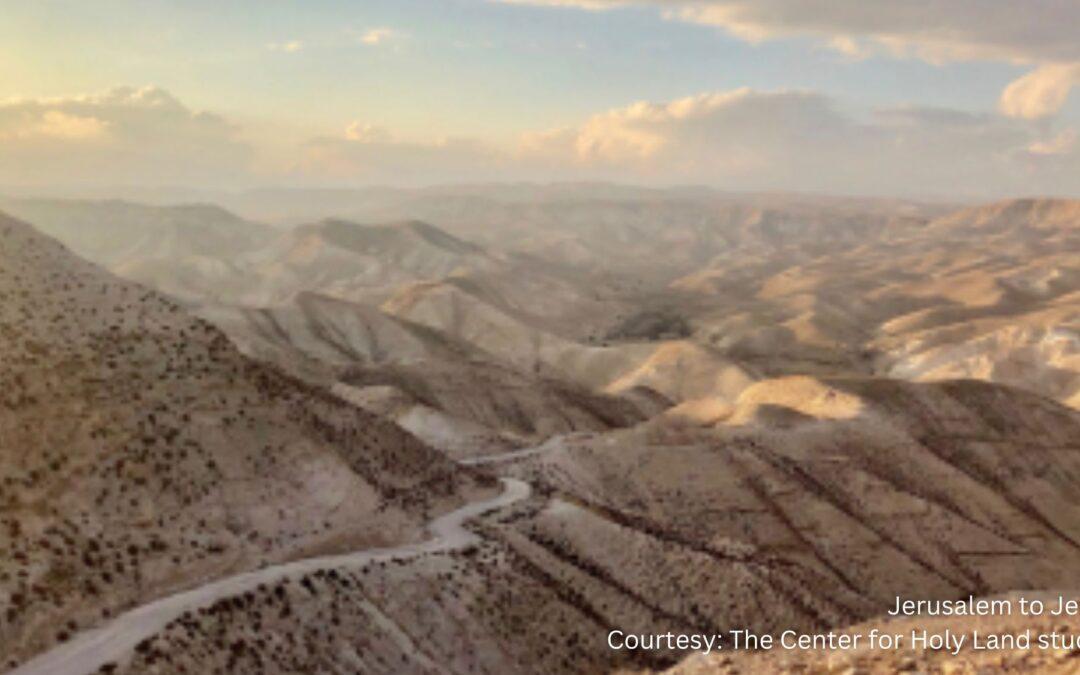
The parable speaks to us first about God’s way of seeing us, so that we in turn can learn how to see situations and people with his eyes, so full of love and compassion. The Good Samaritan is really a figure of Jesus, the eternal Son whom the Father sent into our history precisely because he regarded humanity with compassion and did not walk by. Like the man in the Gospel who was going down from Jerusalem to Jericho, humanity was descending to the depths of death; in our own day too, we have to confront the darkness of evil, suffering, poverty and the riddle of death. Yet God has looked upon us with compassion; he wanted to walk our same path and come down among us. In Jesus, the Good Samaritan, he came to heal our wounds and to pour out upon us the balm of his love and mercy…
We can understand, then, why this parable is so challenging for each of us. If Christ shows us the face of a compassionate God, then to believe in him and to be his disciples means allowing ourselves to be changed and to take on his same feelings. It means learning to have a heart that is moved, eyes that see and do not look away, hands that help others and soothe their wounds, shoulders that bear the burden of those in need…
Brothers and sisters, today we need this “revolution of love.” Today, the road that goes down from Jerusalem to Jericho is the road travelled by all those who descend into sin, suffering and poverty. It is the road travelled by all those weighed down by troubles or hurt by life. The road travelled by all who fall down, lose their bearings and hit rock bottom. The road travelled by all those peoples that are stripped, robbed and pillaged, victims of tyrannical political systems, of an economy that forces them into poverty, and of wars that kill their dreams and their very lives.
What do we do? Do we look and walk by, or do we open our hearts to others, like the Samaritan? Are we content at times merely to do our duty, or to regard as our neighbor only those who are part of our group, who think like us, who share our same nationality or religion? Jesus overturns this way of thinking by presenting us with a Samaritan, a foreigner or heretic, who acts as a neighbor to that wounded man. And he asks us to do the same…
Looking without walking by, halting the frantic pace of our lives, allowing the lives of others, whoever they may be, with their needs and troubles, to touch our heart. That is what makes us neighbors to one another, what generates true fraternity and breaks down walls and barriers. In the end, love prevails and proves more powerful than evil and death. Dear friends, let us look to Christ, the Good Samaritan. Let us listen again today to his voice. For he says to each of us, “Go and do likewise.”
Have a great week!
Fr. Damian